L’arrivée des premières fraîcheurs met souvent les jardiniers sous pression. Pourtant, protéger ses plantes du froid ne demande ni matériel compliqué ni budget important. Avec quelques gestes bien choisis, la plupart des végétaux passent l’hiver sans dommage.
Voici ce qui fonctionne vraiment, classé par ordre d’efficacité.
1. Identify truly sensitive plants
Toutes les plantes n’ont pas besoin de la même protection. Les plus vulnérables sont généralement :
- Les agrumes (citronniers, orangers…)
- Les oliviers jeunes
- Les lauriers-roses
- Certain perennials and Mediterranean plants
- Les plantes en pot (beaucoup plus exposées que celles en pleine terre)
Les plantes installées depuis plusieurs années en pleine terre résistent souvent mieux. Concentrez vos efforts sur les plus fragiles.
2. Use a winter veil (the most profitable gesture)
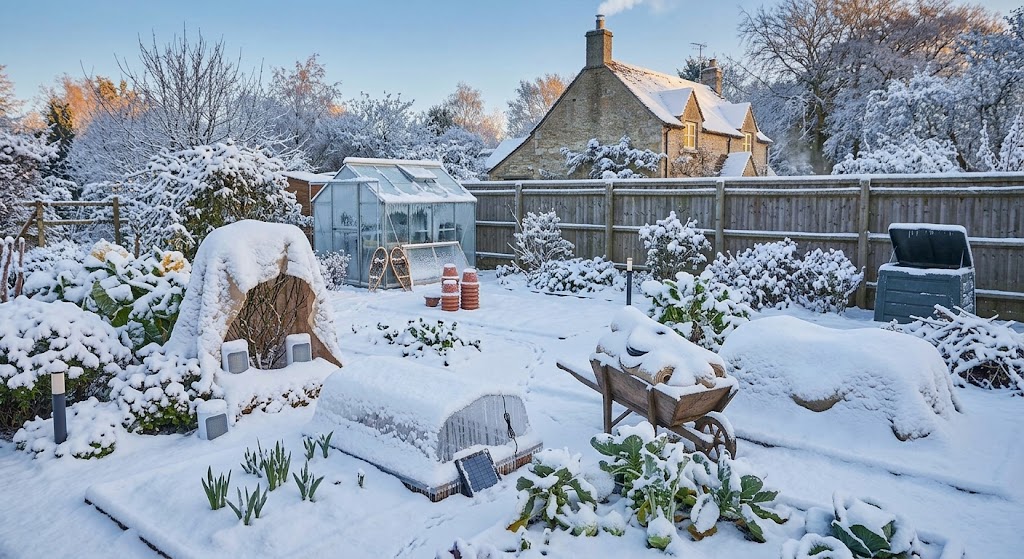
Le voile d’hivernage reste la solution la plus simple et la plus efficace. Contrairement à une bâche plastique, il laisse passer l’air et un peu de lumière tout en créant une couche isolante.
For proper protection, a weight of 30 to 60 g/m² is sufficient in most regions. THE HaGa Voile d’hivernage 60 g/m² is a good example: thick enough to insulate, while remaining breathable and reusable for several winters.
Wrap it loosely and secure it with string or clips. Allow some air to circulate at the base.
3. Protéger les pots et le système racinaire
The roots of potted plants suffer much more from the cold than the foliage. Two simple solutions exist:
- Group the pots against a south or west facing wall
- Raise the pots slightly and wrap them with a veil or bubble wrap
For the most exposed pots, a protective cover with closure or a simple cut winter sail around the container already makes a big difference.
4. Mulch the base of the plants generously
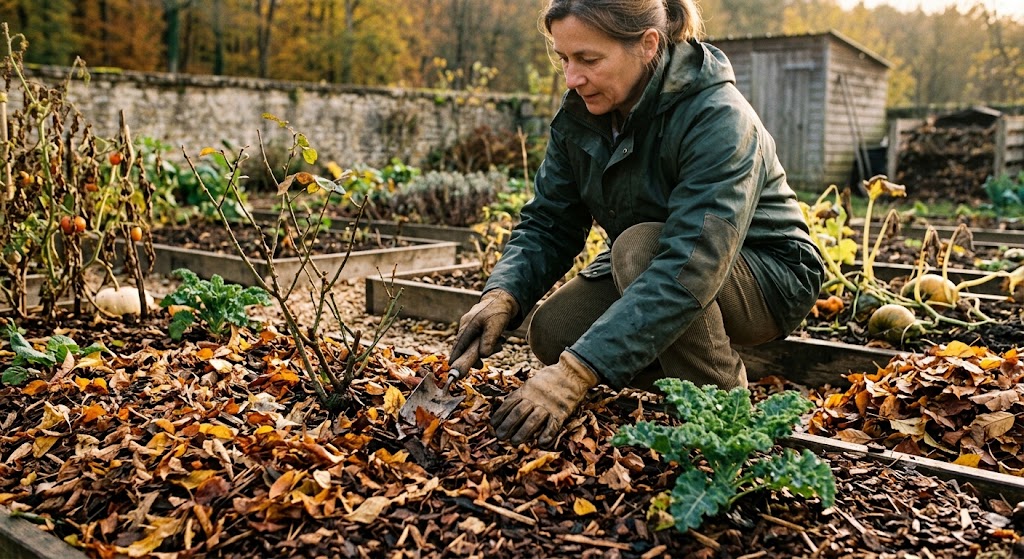
Mulching is often underestimated. A good layer of dead leaves, straw or BRF (fragmented ramial wood) protects the soil from frost and limits temperature variations.
Spread 5 to 10 cm of mulch at the base of sensitive plants, taking care not to stick too close to the trunk to avoid rot.
5. Avoid common mistakes
- Do not use airtight plastic directly on the foliage (condensation and rot)
- Do not overtighten the veil (the branches need a little space)
- Ne pas oublier d’enlever la protection lors des journées douces et ensoleillées en fin d’hiver
- Do not water excessively before frost (soil that is too wet freezes more easily)
6. Bring some basic equipment
With very few tools, you save a lot of time. A clean pruner to remove dead wood, good gloves and possibly pliers or string are enough. Of the durable garden gloves are particularly useful when handling wet sails and branches.
For larger plants, some also use simple hoops to create a temporary mini-greenhouse with the veil.
In summary
Protection against the cold is mainly based on three things:
- A well-placed winter veil
- Good mulch at the foot
- Protecting the pots
By taking these actions before the first serious frosts, you greatly limit the damage without spending a lot. Most plants do just fine with these simple precautions.